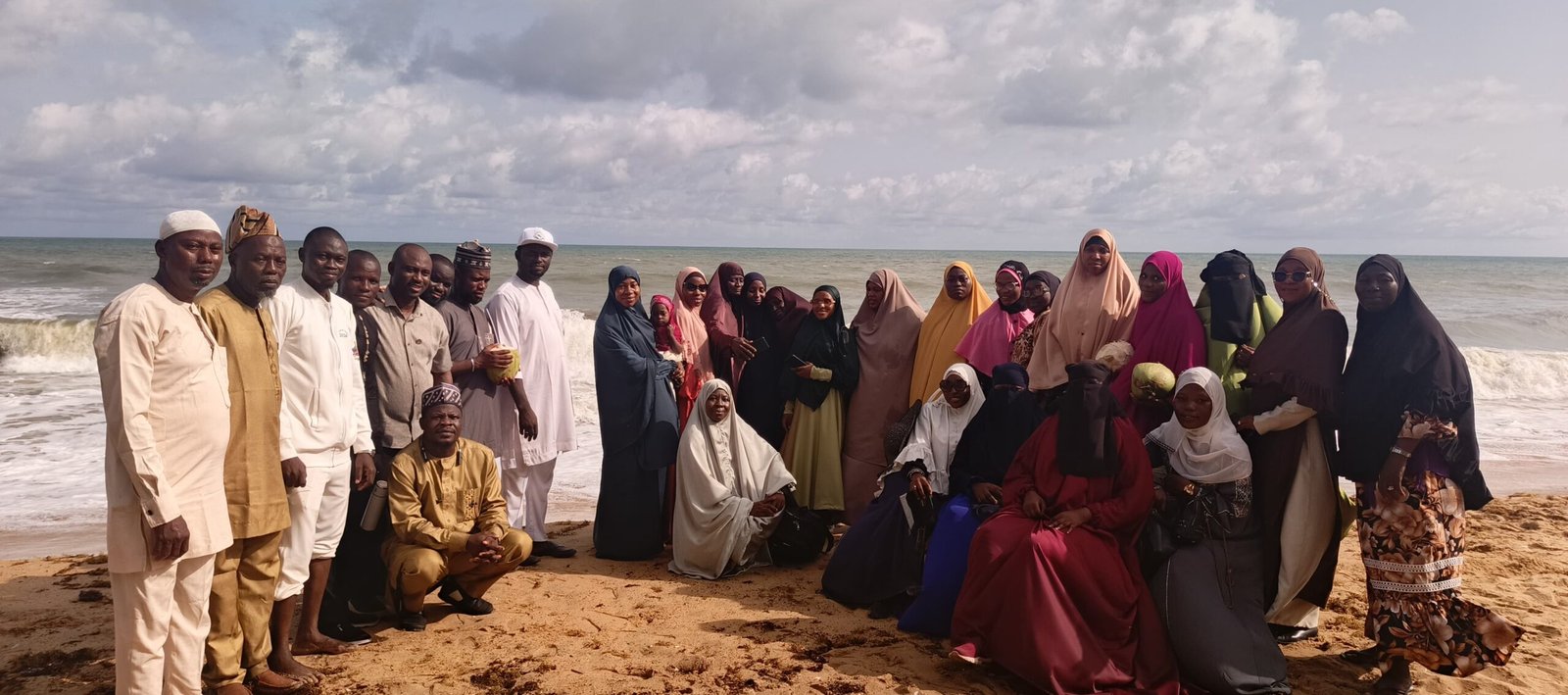
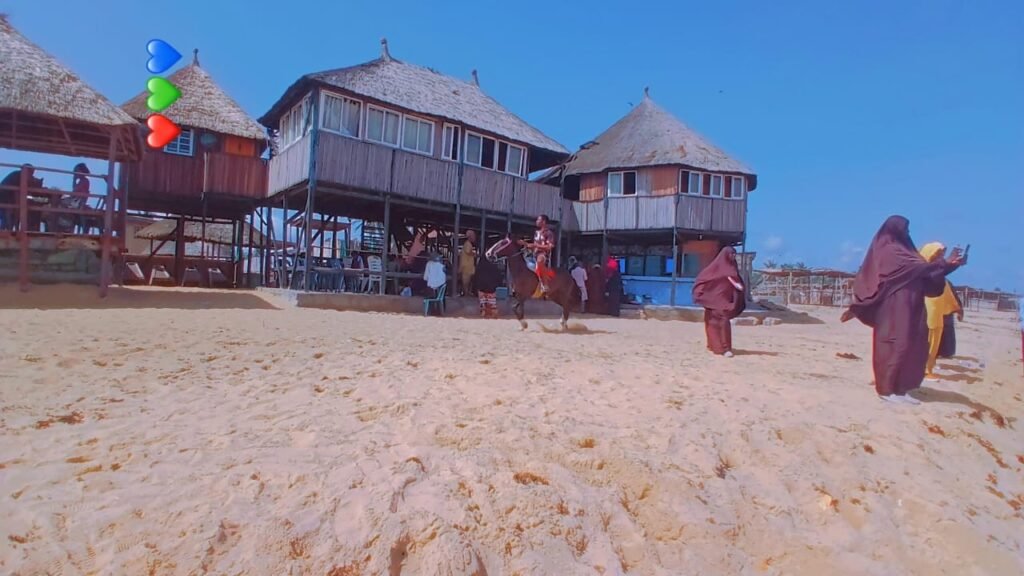
The sun rose gently over the Atlantic coastline in Badagry, casting a golden calm that perfectly matched the purpose of the day. Against the soothing backdrop of Suntan Beach, members of the League of Muslim School Proprietors (LEAMSP), Alimosho Zone, gathered on Saturday, April 18, 2026, for a refreshing “Hang Out” event, an initiative designed not just for relaxation, but for reflection, connection, and renewal.

A breath beyond the classroom
For many school proprietors, the academic term is often a relentless cycle of administrative duties, staff management, student welfare, and parental expectations.
Recognizing this, LEAMSP Alimosho Zone created a space where its members could step away from the pressures of school leadership, breathe, and reconnect—with themselves and with one another.
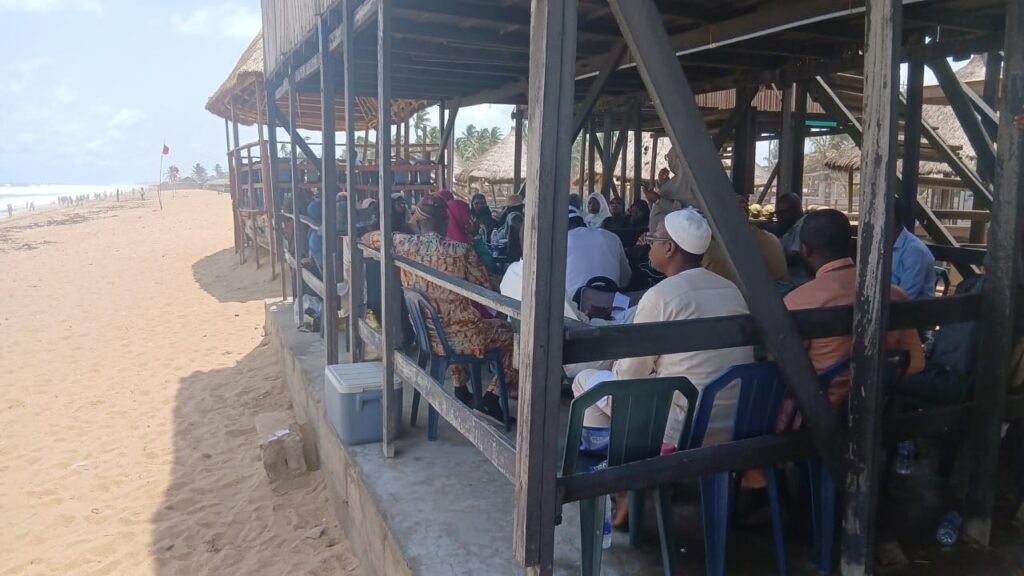
The event was more than a casual outing. It served as a strategic platform for experience-sharing and networking, aimed at fostering the growth and sustainability of member schools. Conversations flowed easily, blending professional insight with personal reflection, as participants embraced the rare opportunity to unwind in a serene environment.
Creating space for growth and renewal
In his remarks, the Coordinator of LEAMSP Alimosho Zone, Ismail Ogunyomi, underscored the broader vision behind the event.
According to him, the hangout was intentionally designed to help proprietors decompress after a demanding term, explore new ideas, and return to their schools with renewed energy.

He expressed hope that participants would internalize the importance of rest and good health, even as they remain committed to building and nurturing others.
Beyond relaxation, he encouraged members to actively implement the health and safety lessons shared during the programme.
Looking ahead, he painted a vision of “healthy, wealthy, and long-lived proprietors,” managing institutions that are safe and secure for learners, staff, and all stakeholders.

Health first: A call to responsible leadership
A major highlight of the gathering was a health talk delivered by Dr. Islamiyat Majolagbe, who spoke passionately on the theme of work-life balance. Her message was clear and urgent: no institution can thrive if its leader is unwell.
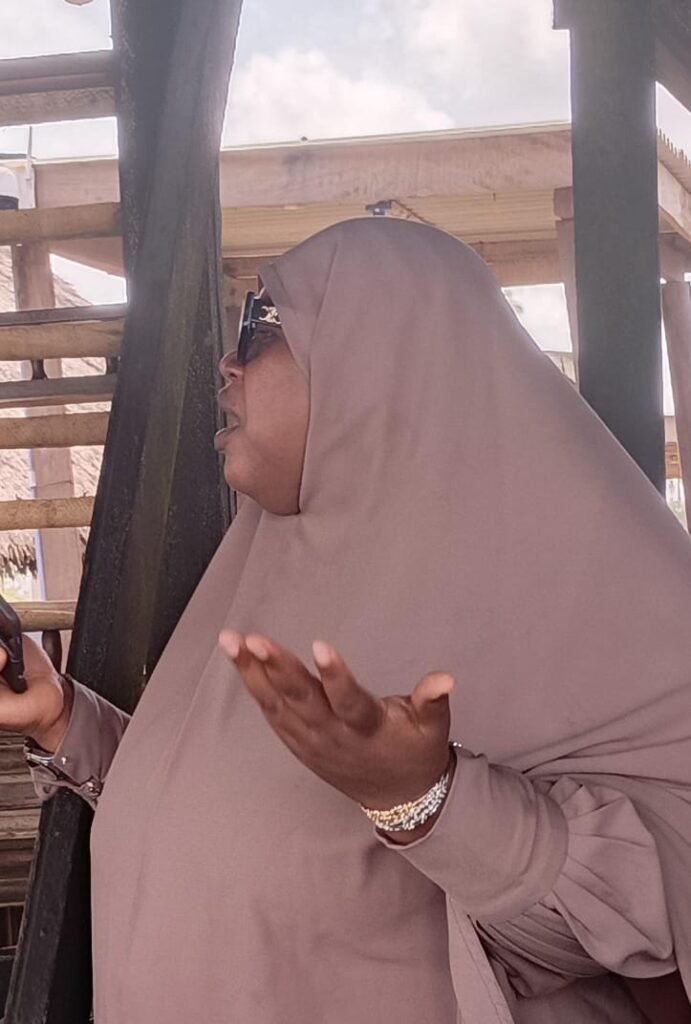
Dr. Majolagbe, a Deputy Director at the Lagos State Ministry of Health, urged school proprietors to take deliberate steps toward maintaining their health, emphasizing practical measures such as regular medical check-ups, consistent exercise, and ensuring at least seven hours of sleep daily.
Stress, she noted, remains a silent threat among school administrators, often exacerbated by excessive workload and poor delegation.
Dr. Majolagbe advised proprietors to build reliable systems within their schools, structures that can sustain operations even in their absence.
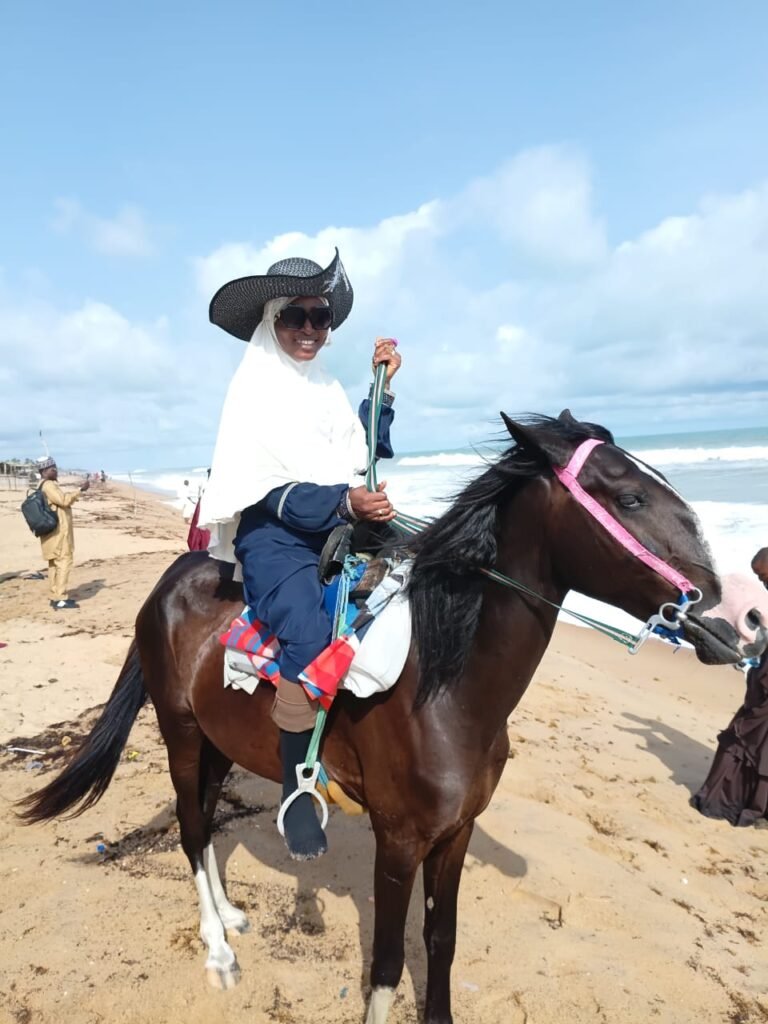
Delegation, boundary-setting within school activities, and attentiveness to early warning signs of illness were highlighted as essential habits for long-term effectiveness.
Her lecture resonated deeply, reframing self-care not as a luxury, but as a leadership responsibility.
Peace of mind through safety
Adding depth to the day’s conversations, Engr. Yusuf Majolagbe, the immediate past chairman, Nigerian Institution of Environmental Engineers, NIEE, delivered a compelling session on “Peace of Mind: Strategic Safety and Security Management for School Owners.”
Eng. Majolagbe, who is the current National Secretary of NIEE, in his presentation underscored a sobering reality: “only about 14 percent of schools meet basic infrastructure safety standards”, a statistic that highlights the urgent need for deliberate action across the education sector.

He emphasized that safety is not an optional add-on, but a core responsibility of school leadership. According to him, true peace of mind comes from a balance between diligent preparation and trust in Allah. Proprietors, he noted, must take every reasonable step to safeguard their students and staff, while recognizing that ultimate outcomes rest with Allah—the very essence of tawakkul.
Engr. Majolagbe urged school owners to move beyond awareness to action, outlining practical steps to strengthen safety systems within their institutions. These include conducting regular audits of school safety infrastructure, equipping staff with the necessary training, and empowering students with basic safety knowledge.
He also highlighted the importance of building strong partnerships with host communities, noting that security is most effective when it is collective. Above all, he called for the cultivation of a culture of safety and vigilance—one that is proactive rather than reactive.
His message resonated as both a warning and a guide: a safe school environment is fundamental not only to learning, but also to the confidence and peace of mind of those entrusted with leadership.
Voices from the shore
Participants expressed satisfaction with the initiative, describing it as timely and impactful. Many advocated making the hangout an annual tradition, recognizing its value in promoting both professional growth and personal well-being.
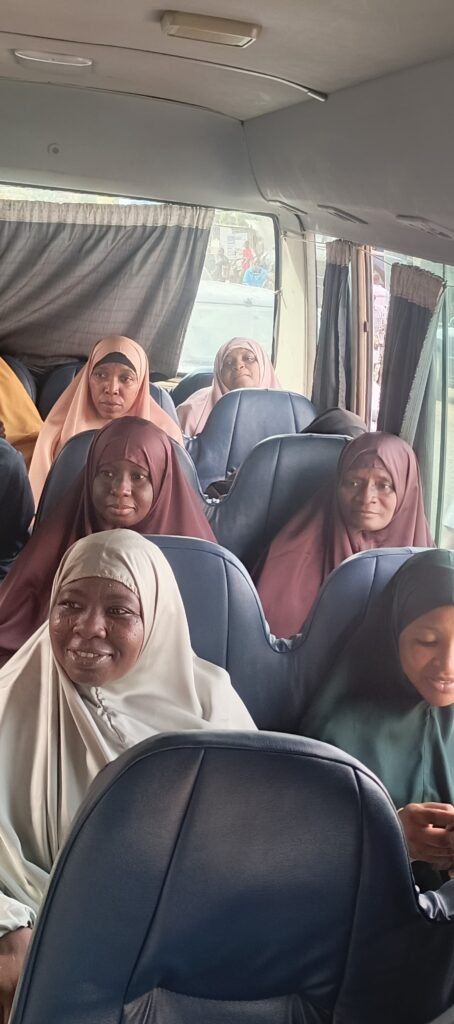
Suggestions also emerged for future editions, including sessions focused on investment diversification, an indication of the members’ desire to strengthen their financial stability alongside their educational pursuits.
Overall, the event was widely rated as worthwhile, offering both inspiration and practical takeaways.
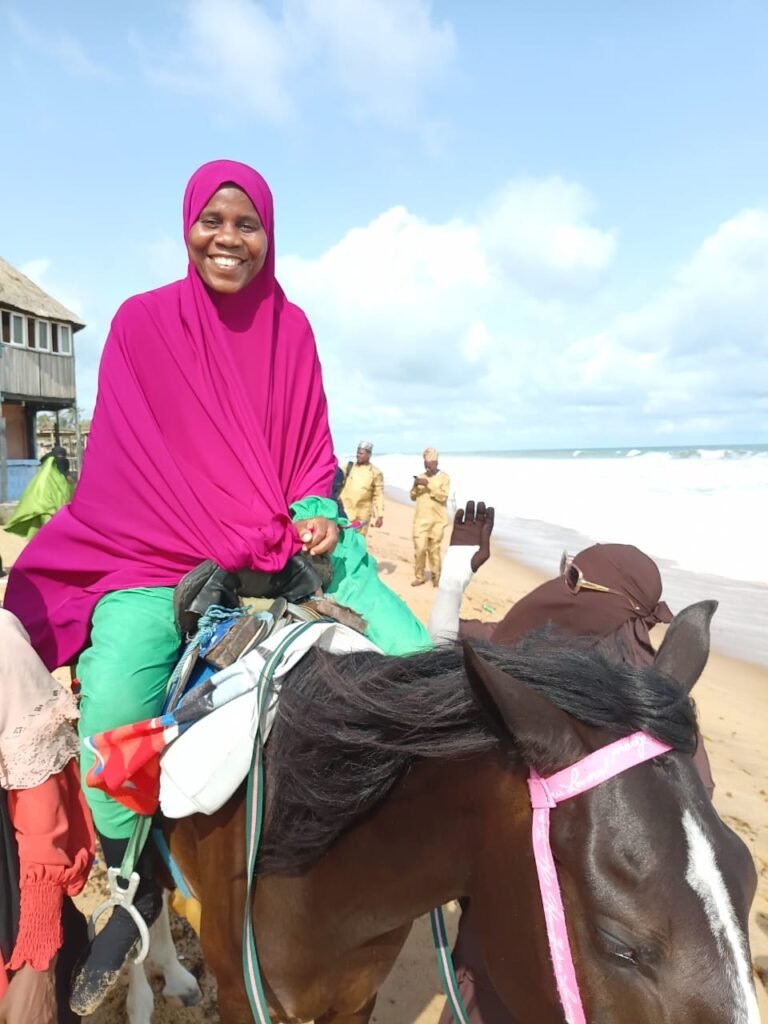
Beyond the beach
As the waves rolled steadily onto the shores of Badagry, one message lingered among participants: leadership must be sustainable. And sustainability begins with the leader.
The LEAMPS Alimosho Zone Hang Out was a gentle but powerful reminder that in the demanding world of school administration, taking time to rest, recharge, and care for one’s health is not indulgent, it is essential.
In nurturing others, school proprietors must not forget to nurture themselves.