
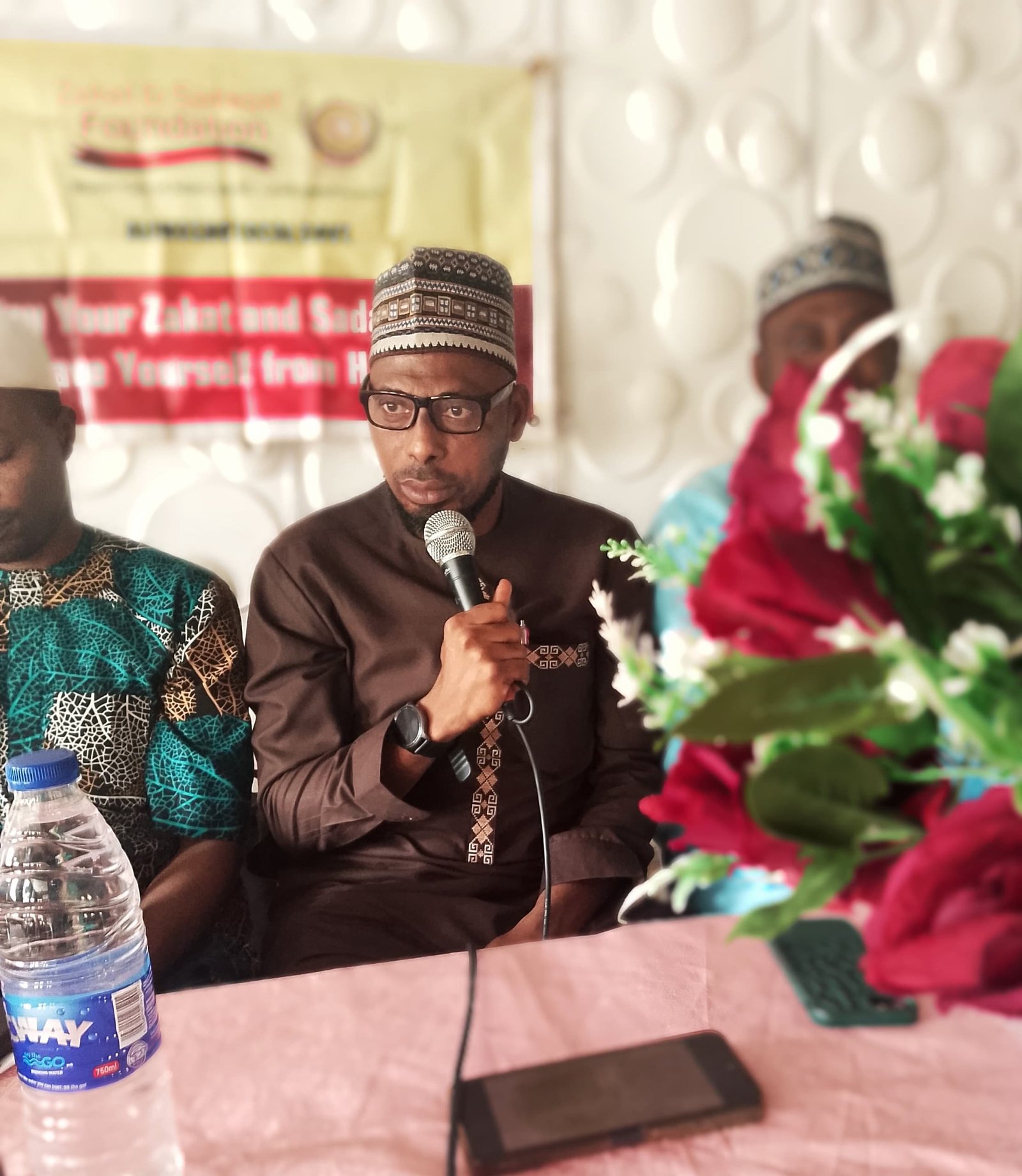
– Identifies Zakat as solution to Nigeria’s socioeconomic challenges
By Yusuf Arinola
Zakat, the fourth pillar of Islam, has been identified as a sustainable solution to Nigeria’s prevailing socioeconomic challenges, as Muslim faithful in Alimosho were sensitised at a seminar organised by the Zakat and Sadaqah Foundation, Alimosho District.
The seminar, held on Sunday, February 1, 2026, at Jaguar Schools, Alimosho, was aimed at enlightening Muslims ahead of the Foundation’s annual Zakat collection exercise.
Deepening public understanding of Zakat
In his welcome address, the coordinator of the Foundation in Alimosho, Mr. Jamiu Badrudeen, said the objective of the seminar was to deepen public understanding of Zakat and encourage Muslims to fulfil the obligation strictly in accordance with Islamic teachings.
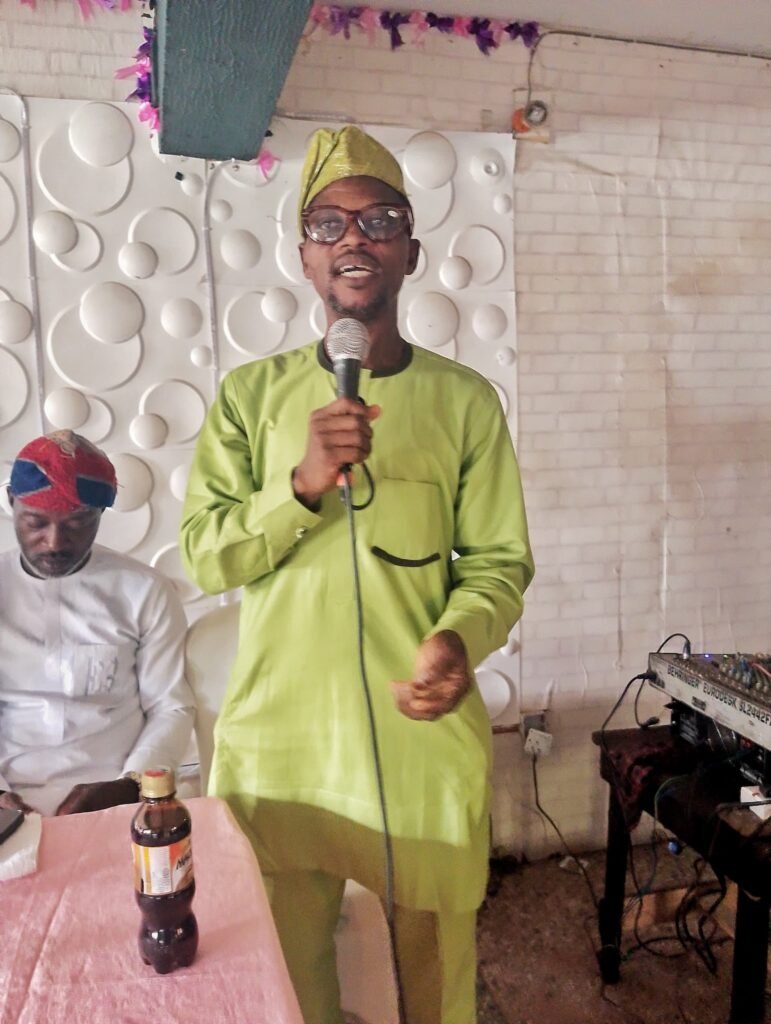
“On behalf of the Zakat and Sadaqah Foundation, I welcome you all to this occasion. We are gathered once again to remind ourselves of our duty to Allah—the fourth pillar of our Deen, Islam,” he said.
Expressing optimism ahead of the Zakat collection exercise, Mr. Badrudeen described the task before the Alimosho District as demanding but achievable.
“The task before us this year is quite enormous, but I am very confident that with your support, our collective goal is within reach. I urge you to pay your Zakat and encourage other Muslims to do the same. Our team is readily available for collection, assessment and all Zakat-related concerns,” he added.
Prioritising timely payment of zakat important
Delivering a lecture titled “Zakat and Sadaqah: Purifier and Enricher of Wealth,” the Head of Field Operations of the Foundation, Alhaji Gawata, charged Muslims to prioritise the timely payment of Zakat, describing it as a fundamental pillar of Islam with far-reaching spiritual and social benefits.
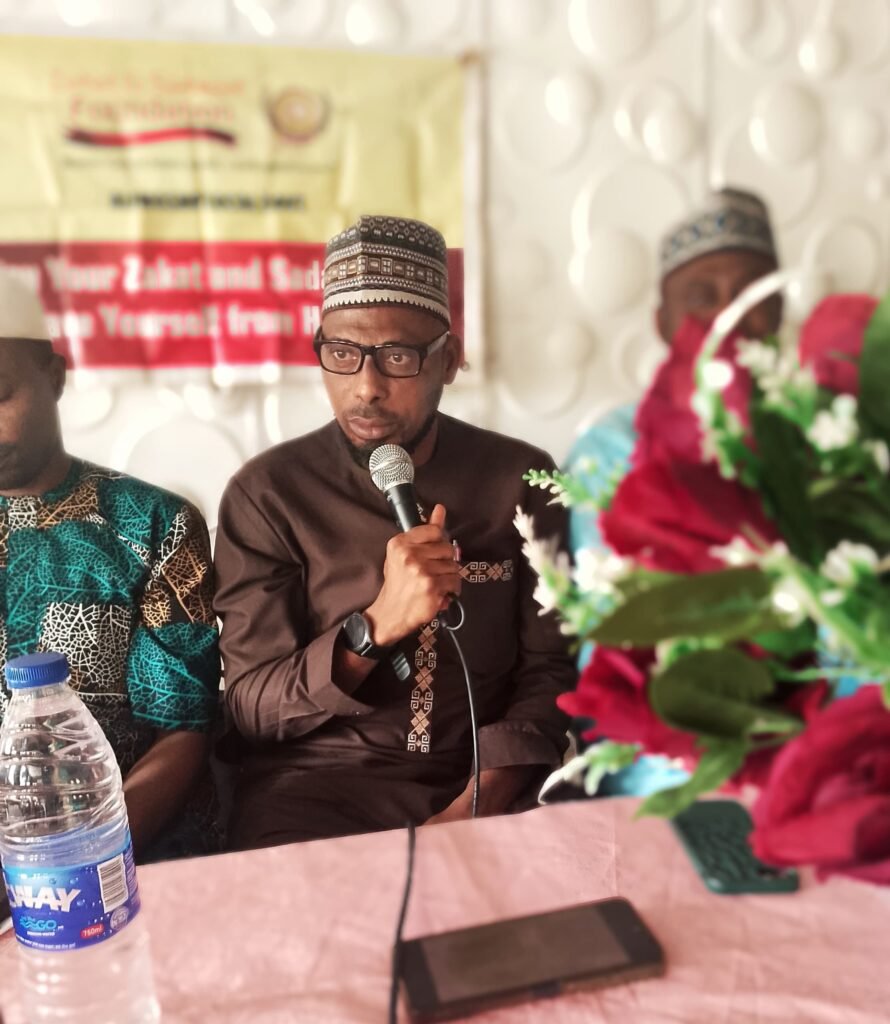
He explained the criteria for determining Zakat eligibility and urged Muslims not to assume exemption without proper assessment.
“Zakat is commanded by Allah (SWT) Himself and is therefore sacrosanct. Faithful Muslims must give alms, while those who have the means should make charity a habit. Zakat purifies wealth and enhances peace and communal development,” he said.
According to him, Islam provided solutions to economic and social challenges more than 1,400 years ago through the institution of Zakat.
“Islam collects from the rich and gives to the poor. This process ensures equitable distribution of wealth and guarantees the safety and wellbeing of both the rich and the poor. When Zakat is properly observed, peace and stability prevail in the community,” he noted.
Alhaji Gawata added that several countries across the globe have significantly reduced poverty through effective Zakat administration.
He warned against miserliness, stressing that refusal to pay Zakat harms both the individual and society at large.
“You will be doing yourself and your wealth a great disservice if you choose not to pay Zakat. Do not conclude on your own that you are not eligible. Subject yourself to proper assessment by Zakat officials and know where you stand,” he advised.
Speaking with Community Standard, Alhaji Gawata said the wider impact of Zakat and Sadaqah lies in their potential for sustainable empowerment.
“If a large number of Muslims pay Zakat faithfully, the funds can be channelled into skills acquisition, training and empowering beneficiaries to start small businesses, thereby reducing poverty in the society,” he said.










Congratulations