“While the vision is commendable, its long-term success will depend less on the groundbreaking ceremony and more on sustained implementation.”
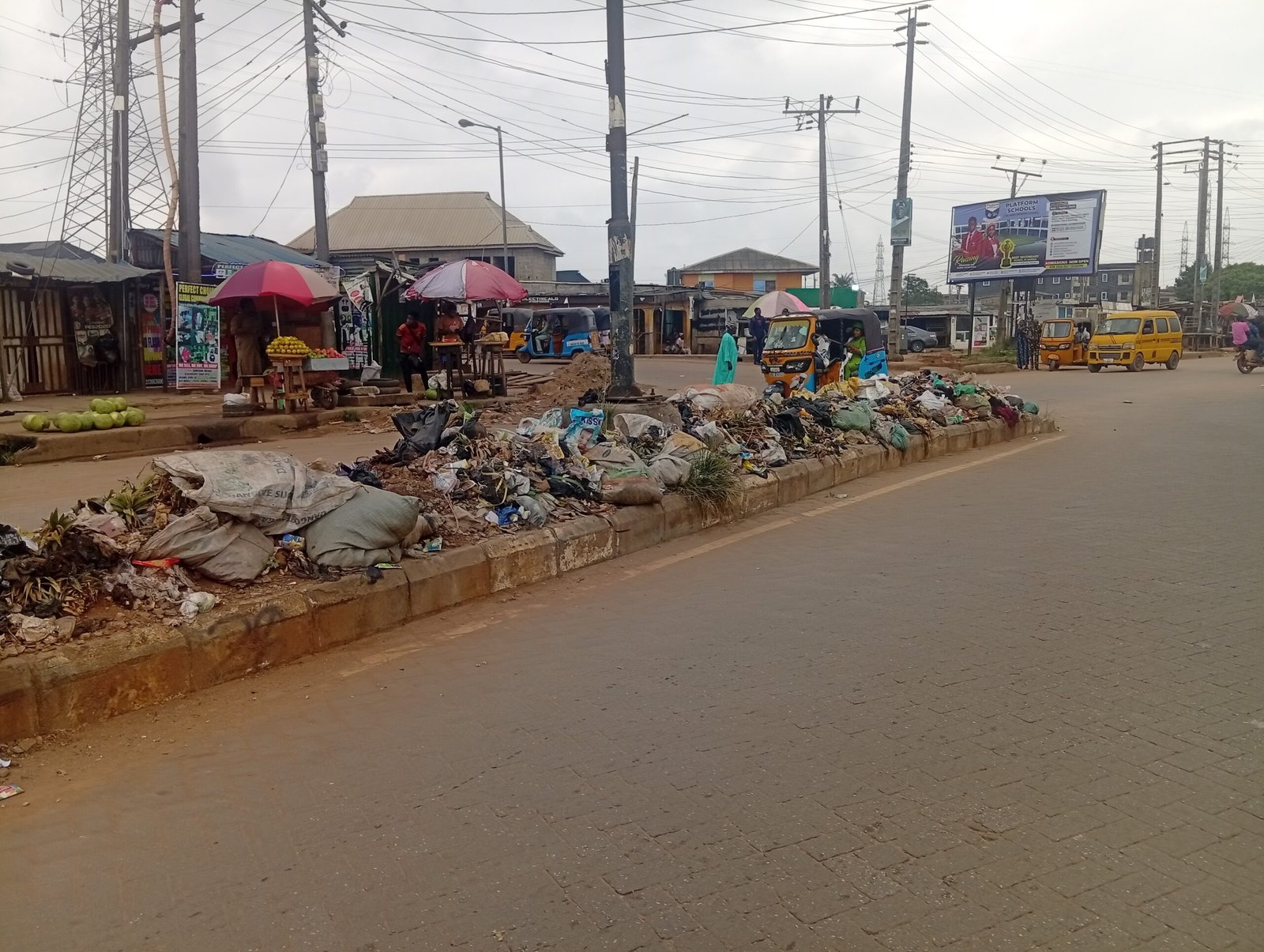
AYOBO, LAGOS – For many residents of Ayobo-Ipaja Local Council Development Area (LCDA), waste has long been viewed as an inevitable consequence of urban life, a daily nuisance that clogs drains, litters streets, contributes to flooding, and poses serious health risks.
Yet, what if those heaps of refuse could become a source of employment, wealth, and environmental renewal?
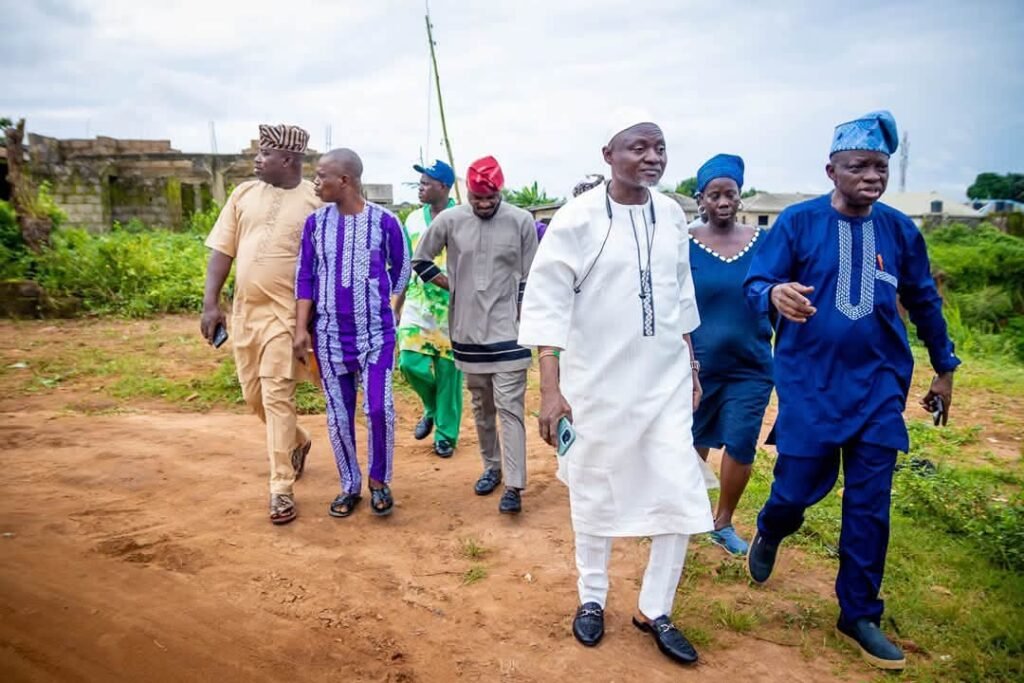
That is the vision being championed by the Executive Chairman of the LCDA, Hon. Agbaje Lukmon Abiodun, whose recent inspection of a proposed site for a Waste-to-Wealth facility signals an ambitious shift in how local governments can approach waste management.
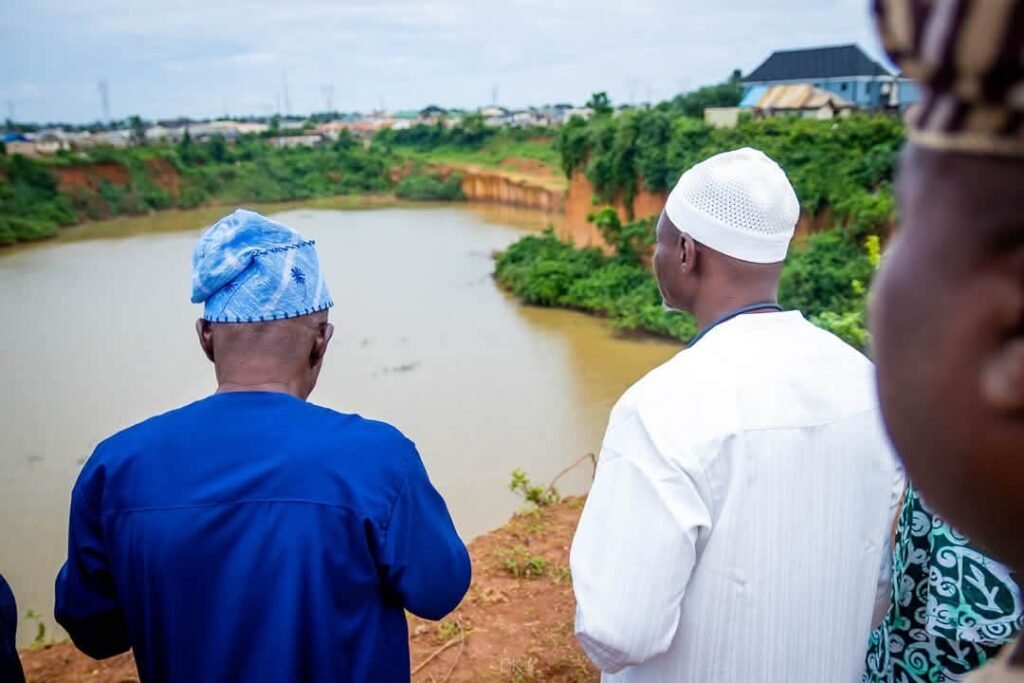
The project seeks to transform waste from a costly environmental burden into a valuable economic resource through recycling, resource recovery, and the production of reusable materials. If successfully implemented, it could redefine waste management within the council and become a model for other local governments across Lagos State.
More Than Waste Disposal
Across rapidly growing urban communities, population growth has increased the volume of waste generated daily. Traditional disposal methods, which largely depend on transporting refuse to dumpsites, have become increasingly expensive and environmentally unsustainable.
The proposed Waste-to-Wealth initiative offers a different approach. Instead of treating waste as something to be discarded, it views it as raw material capable of generating economic value.
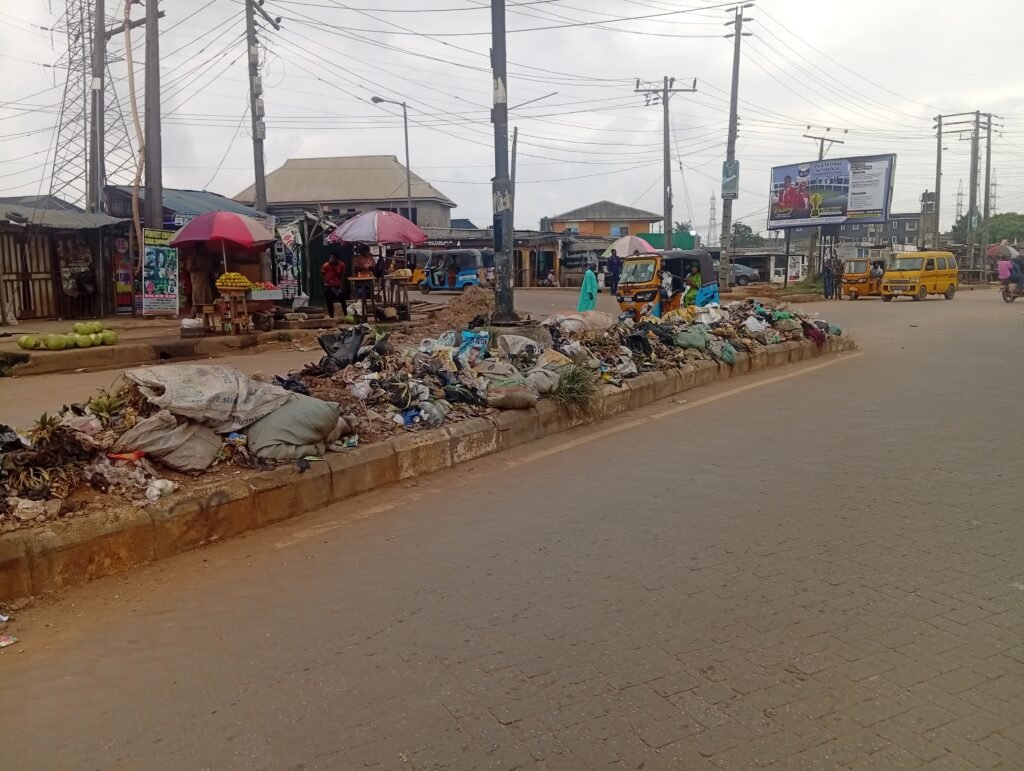
Organic waste can be processed into compost for agriculture. Plastic, glass, metal, and paper can be recycled into new products. With proper sorting and processing, what once polluted the environment could become inputs for small industries and manufacturing.
During the assessment visit, Hon. Agbaje said the initiative aligns with his administration’s commitment to environmental sustainability and economic development.
“Our administration is committed to redefining waste management in Ayobo-Ipaja LCDA.
“This initiative is designed to convert waste into valuable resources, create meaningful employment opportunities for our youths, empower local entrepreneurs, improve public health, and generate sustainable revenue for the council. We are building an environmentally responsible and economically resilient future for our people,” he said.
The Long-Term Promise
If managed effectively, the benefits could extend far beyond cleaner streets.
A functional Waste-to-Wealth facility could create employment for waste collectors, recycling operators, engineers, machine technicians, transporters, environmental officers, and entrepreneurs engaged in converting recyclable materials into finished products.
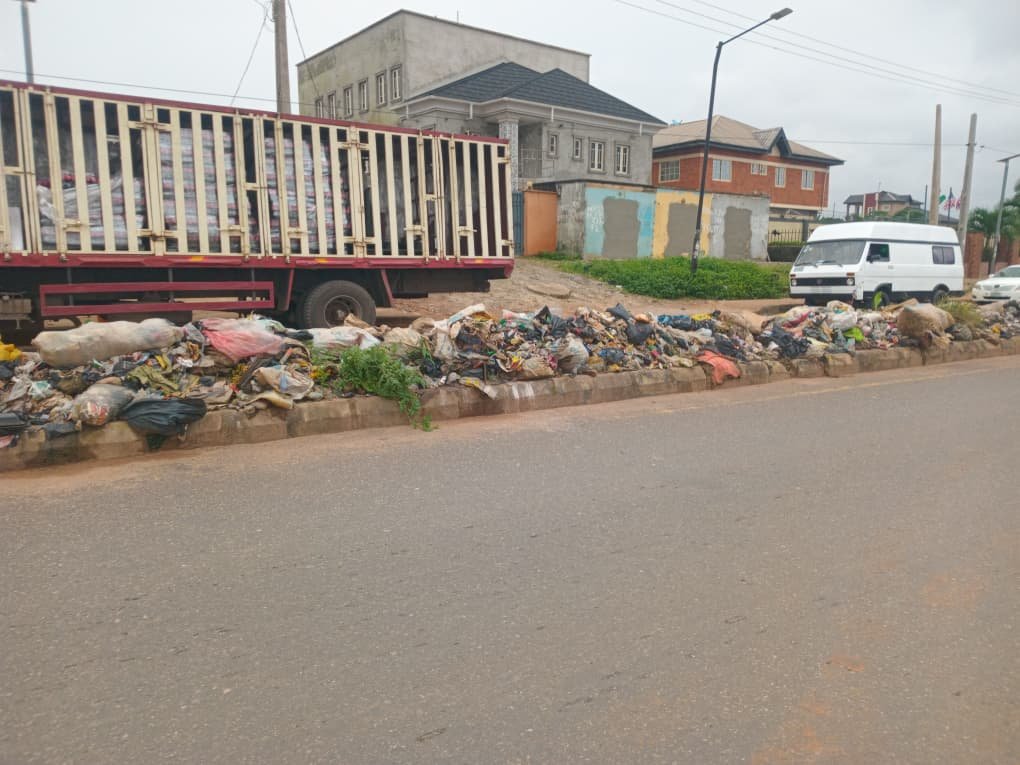
Young people could acquire technical skills in recycling and waste processing, while women and informal waste pickers may find more structured and safer means of earning livelihoods.
The environmental gains could also be significant. Reduced indiscriminate dumping would help minimise blocked drainage channels, lower the incidence of flooding during the rainy season, reduce pollution, and improve public health.
There are also financial implications. Recycling valuable materials reduces disposal costs while generating revenue through the sale of processed products. Such additional income could support other developmental projects within the council.
Beyond economics, the initiative has the potential to encourage behavioural change. Residents may begin to see waste segregation as a civic responsibility rather than an inconvenience, fostering a culture of environmental stewardship.
But Can It Be Sustained?
While the vision is commendable, its long-term success will depend less on the groundbreaking ceremony and more on sustained implementation.
Waste-to-Wealth projects require continuous investment, modern equipment, skilled personnel, efficient collection systems, and reliable markets for recycled products. Without these elements, many similar initiatives elsewhere have struggled to survive.
Another critical factor is public participation.
Will households be encouraged, and adequately educated, to separate waste before disposal? Will businesses and markets participate actively? Will residents see enough value in the programme to change long-established habits?
Funding also remains an important consideration. Beyond establishing the facility, maintaining equipment, paying staff, and ensuring uninterrupted operations demand consistent financial commitment.
Strong partnerships with the Lagos State Government, private investors, recycling companies, environmental organisations, and development partners may prove essential to ensuring that the project remains viable for years to come.
Building a Circular Economy
Globally, cities are increasingly embracing the circular economy, where resources are reused instead of discarded. Waste is no longer viewed as the end of a product’s life but as the beginning of another production cycle.
If Ayobo-Ipaja successfully adopts this model, the council could become one of the leading examples of grassroots environmental innovation in Lagos.
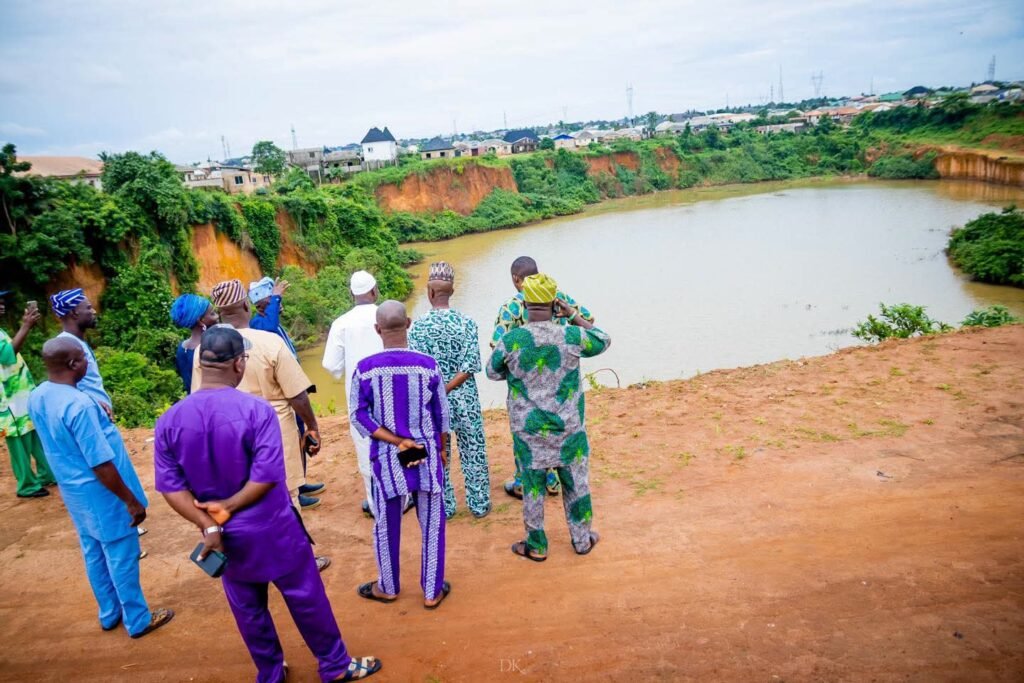
The recent site assessment, which included the Supervisor for Environment, Hon. Olabode Samson Okeowo; Special Adviser, Hon. Lanre Hassan; the Head of Department of Environment, Mrs. Rachael; environmental professionals and technical consultants—represents an important first step. The team evaluated the site’s accessibility, environmental suitability, operational feasibility, and long-term sustainability.
However, residents will ultimately judge the initiative not by the inspection but by the eventual outcome.
Will the proposed facility become a thriving centre of recycling, job creation, and environmental renewal? Or will it join the long list of ambitious public projects that struggled after the initial enthusiasm faded?
The answers will emerge over time. What is clear, however, is that if properly funded, professionally managed, and actively supported by the community, the Waste-to-Wealth initiative could change not only how Ayobo-Ipaja manages refuse but also how residents perceive waste itself, not as a problem to be hidden, but as a resource capable of creating jobs, protecting the environment, and driving sustainable economic growth for generations to come.