
“The problem with most government policies is the implementation. It usually starts on a good note, but before long, it fades away.”
By Abdul-Mumin Abdul-Quadir
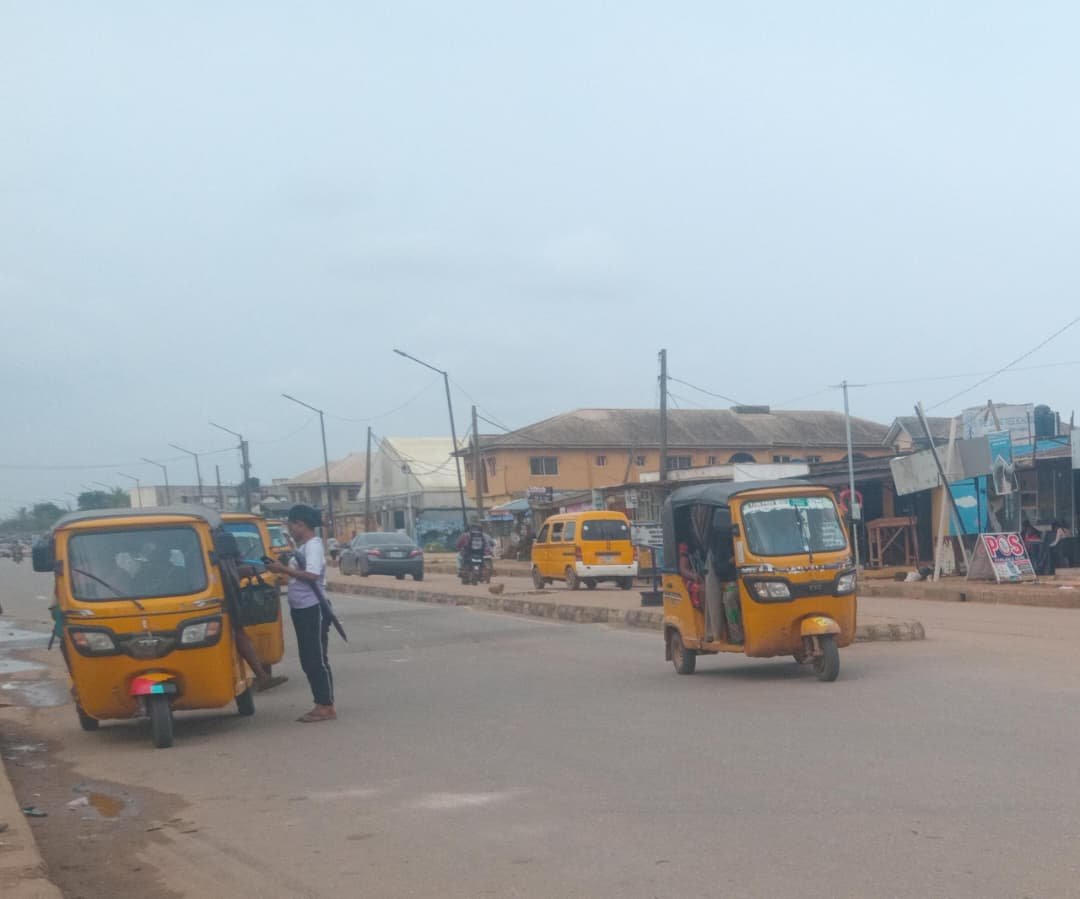
For hundreds of motorcycle (Okada) and tricycle (Keke) operators in Ayobo-Ipaja Local Council Development Area (LCDA), of Alimosho, every working day begins with a simple goal, to earn enough to feed their families. Yet, alongside the struggle for daily survival comes another challenge: operating in an environment where insecurity, public distrust, and allegations of harassment by law enforcement continue to shape their reality.
Now, a new initiative by the Ayobo-Ipaja LCDA seeks to change that narrative.
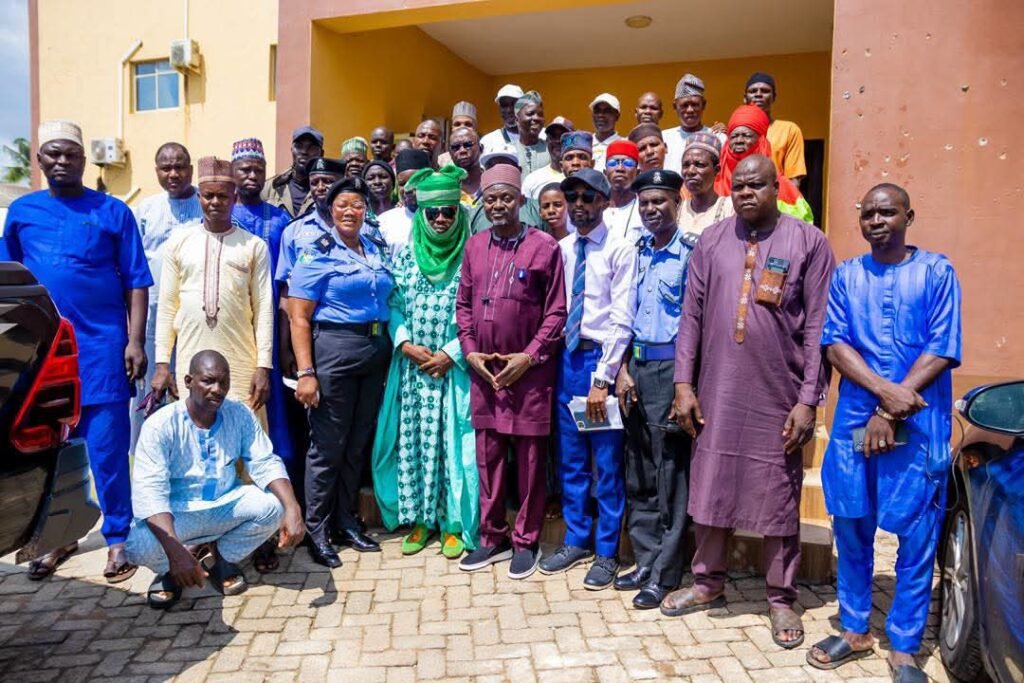
Following a strategic meeting convened by the Executive Chairman of the LCDA, Hon. Abiodun Lukman Agbaje, with transport stakeholders and security agencies, plans are underway to conduct a comprehensive data capture of commercial motorcycle and tricycle operators.

The initiative is designed to register operators, generate unique identification codes, and provide customised identification jackets. Authorities believe the exercise will help distinguish legitimate operators from criminal elements who often disguise themselves as commercial riders to perpetrate crimes.
The proposal has largely been welcomed by operators. However, beneath the optimism lies a deeper conversation about trust, implementation, and long-standing grievances.
Security Through Identification
In many parts of Lagos, motorcycles and tricycles remain an indispensable means of transportation, particularly in communities where larger vehicles struggle to navigate narrow or poorly maintained roads.
Unfortunately, the same means of transport have also been exploited by criminals for robberies, kidnappings and other unlawful activities. This has made identification of genuine operators a recurring concern for both residents and security agencies.
The planned data capture by the Ayobo Ipaja authorities aims to address this gap by creating a reliable database of operators while providing visible identification that can assist security agencies and reassure members of the public.
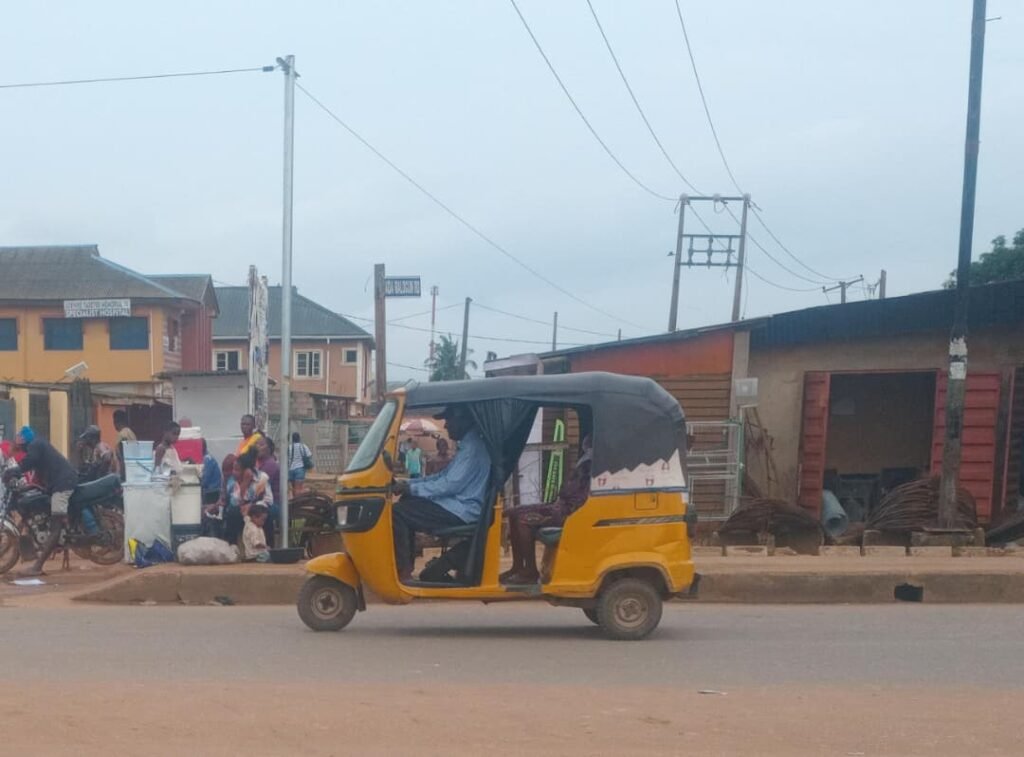
For many operators, the objective is understandable.
One tricycle operator, while speaking with Community Standard, expressed support for the initiative.
“It’s government now. If they want to do it, who are we to object? At least, it’s for the safety of all.”
His support, however, was tempered by caution.
“The problem with most government policies is the implementation. It usually starts on a good note, but before long, it fades away.”
His comment reflects a common sentiment among many Nigerians who have witnessed well-intentioned government programmes lose momentum after their launch.
Operators Ready to Cooperate
Despite reservations, most operators interviewed indicated their willingness to participate.
Another tricycle operator described the initiative as a positive step.
“Yes. They can do it if they want to. Government is actually trying to beef up security at every level, and that’s a move in the right direction.”
An Okada rider who had not previously heard about the proposal also welcomed the idea.
According to him, proper identification could make it easier to separate law-abiding operators from criminal elements.
“It’s a welcome development. It will help separate the wheat from the chaff. It will make it easier to identify riders and operators with ulterior motives.”
His remarks underscore a reality often overlooked in public conversations: many commercial riders themselves are eager to distance their profession from criminal activities that have damaged its reputation.
The Fear Beneath the Uniform
While welcoming the initiative, the motorcycle rider raised an issue that quickly shifted the conversation from security to survival.
He alleged that many operators continue to experience extortion and intimidation from some law enforcement officers.
“We’re willing to cooperate with government, but I’m afraid of a long-standing problem that we’ve been enduring—extortion and victimisation in the hands of some high-handed police officers.”
According to him, many operators remain silent because they depend entirely on the business for their livelihood.
“Everyone is just quiet about it because we don’t have another means of survival yet. We’re helpless.”
His greatest concern is that the proposed identification jackets, rather than protecting genuine operators, could inadvertently make them easier targets if abuses by rogue officers persist.
“I only hope that the identification jackets will not further expose us to those menacing officers and their accomplices.”
Residents Echo Similar Concerns
Interestingly, residents also voiced support for improved security while highlighting what they consider a more immediate challenge.
A roadside trader who witnesses daily interactions between transport operators and law enforcement officers said the initiative is commendable but incomplete.
“As much as the initiative looks laudable, it’s not what operators need most at the moment. The main challenge facing Keke and Okada men in this area is the police.”
He claimed to have witnessed several instances where motorcycles and tricycles were impounded despite the operators committing no obvious offence.
“I’ve seen a lot. On many occasions, Keke and Okada have been seized from riders in my presence.”
According to him, recovering impounded vehicles often requires operators to source money under difficult circumstances.
“Sometimes I feel like intervening, but because they’re working for government, I don’t want to stand in their way. Once a machine is seized, the operator has to run around looking for money to retrieve it.”
Whether these allegations reflect isolated incidents or a broader pattern remains a matter for the appropriate authorities to address. Nevertheless, the concerns reveal the level of distrust that exists between some operators and law enforcement personnel.
Building Trust Alongside Security
Security experts have long argued that successful community policing depends not only on identifying potential threats but also on building trust among all stakeholders.
A comprehensive database of commercial transport operators could significantly improve emergency response, aid crime investigation, discourage impersonation and strengthen accountability.
However, experts also note that such initiatives are most effective when accompanied by transparency, public education, affordable registration processes, protection of personal data, and mechanisms to prevent abuse.
For operators, the question is not whether identification is necessary. Most agree that it is.
Their concern is whether the system will ultimately protect genuine operators or become another avenue for exploitation.
Beyond Registration
The proposed data capture initiative represents more than a registration exercise. It is an opportunity to redefine the relationship between government, transport operators, security agencies and the communities they serve.
If implemented transparently and sustained consistently, it could improve public safety while restoring confidence in the commercial transport sector.
But if concerns over harassment, extortion and accountability remain unresolved, the initiative may struggle to achieve its full potential.
For now, operators appear willing to embrace the programme.
Their message to government is simple: register us, protect us, and ensure the system works fairly for everyone.
Only then can security and livelihoods move forward together.